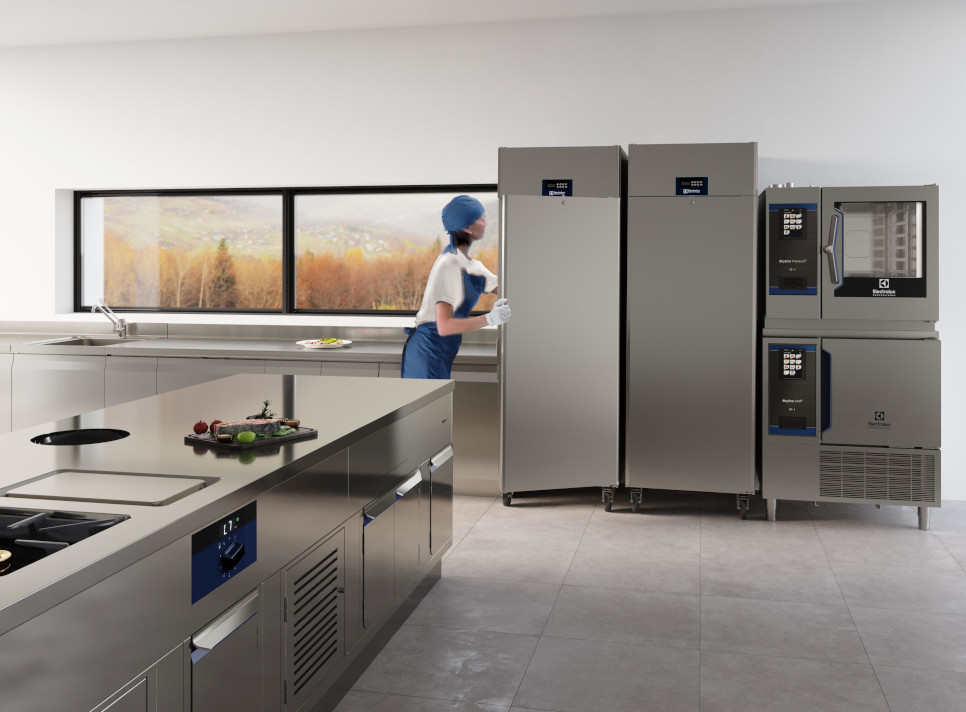
Delivery-first food concepts continue to reshape the hospitality landscape. For operators evaluating how to set up a dark kitchen, success depends on operational design rather than front-of-house experience. Space planning, equipment configuration, digital integration and compliance must align from the start.
A well-planned dark kitchen is engineered for speed, consistency and scalability. Understanding what a dark kitchen business is helps operators design a production environment that supports high order volumes without compromising food quality.
What is a dark kitchen?
A dark kitchen is a professional kitchen space dedicated exclusively to food preparation for delivery and takeaway. There is no dine-in area, no customer-facing service and no traditional restaurant floor plan.
Also known as ghost kitchens or virtual kitchens, these operations rely on digital ordering platforms and streamlined production processes. Understanding what a dark kitchen business is means recognising that it operates as a delivery-driven production unit, often hosting one or multiple virtual brands within the same facility.
This model allows operators to:
- Reduce overhead linked to front-of-house staff
- Launch new food concepts with lower capital risk
- Optimise space purely for cooking efficiency
- Scale production based on demand data
Site selection, services and permissions
The first step in planning how to set up a dark kitchen is choosing the right location. Visibility to foot traffic is less important than proximity to high-density delivery zones.
Key considerations include:
- Access for courier pick-up and vehicle flow
- Sufficient power supply for high-demand cooking equipment
- Water, drainage and ventilation capacity
- Compliance with local food safety regulations
- Planning permission for commercial food production
Operators must also ensure that extraction systems and waste management comply with environmental standards. Even without a dining area, regulatory requirements remain identical to traditional restaurants.
Infrastructure capacity should be assessed early to avoid costly retrofits once equipment is installed.
Workflow and layout for order peaks
Delivery kitchens experience intense order spikes during peak hours. The layout must support continuous flow rather than table service pacing.
When developing dark kitchen ideas, prioritise:
- Linear production flow from prep to dispatch
- Clearly defined hot and cold zones
- Dedicated packing and quality control areas
- Separate courier collection points
Cross-traffic between staff and delivery drivers should be minimised. A poorly designed layout leads to congestion, slower ticket times and compromised food quality.
Digital integration is equally critical. Order management systems must connect seamlessly with kitchen display screens to avoid manual errors and delays.
Equipment blocks by station
Equipment selection determines production capacity. In a delivery-focused environment, every station must be optimised for speed and repeatability.
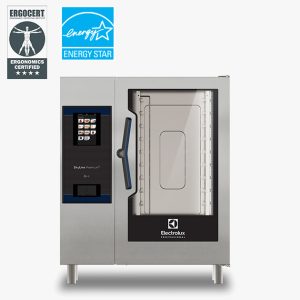
Cooking station
High-performance ovens, fryers or planchas selected according to menu type and peak output requirements.
Preparation station
Refrigeration, food processors and prep tables configured to support batch efficiency.
Holding and regeneration
Temperature-controlled holding equipment ensures food remains within safe limits before dispatch.
Cooling and storage
Blast chillers and refrigeration units enable structured prep cycles and food safety compliance.
When planning how to set up a dark kitchen, equipment should be chosen based on throughput analysis rather than individual appliance preference. Compact footprints, stackable configurations and energy-efficient systems improve scalability.
Staffing, training and SOPs
A dark kitchen typically operates with a leaner team than a traditional restaurant. However, clear role definition and structured processes are essential.
Standard operating procedures should define:
- Order prioritisation logic
- Quality control checkpoints
- Temperature monitoring routines
- Cleaning and sanitation schedules
- Escalation protocols during peak overload
Training must focus on speed without sacrificing compliance. Since customer interaction is absent, product consistency and packaging quality become the primary brand touchpoints.
Launch timeline and readiness checklist
Planning timelines depend on site readiness and regulatory approvals. A structured approach reduces delays.
A typical launch framework includes:
- Phase 1: Feasibility and planning
Market analysis, menu design, capacity planning and site evaluation. - Phase 2: Fit-out and equipment installation
Ventilation setup, utilities integration and equipment commissioning. - Phase 3: Testing and calibration
Trial production runs, order flow simulation and staff training. - Phase 4: Soft launch
Limited release on delivery platforms to validate workflow and timing.
Before going live, operators should confirm:
- All permits are secured
- Equipment is calibrated and tested
- Digital ordering systems are integrated
- Food safety documentation is complete
- Peak order simulations have been validated
Careful preparation ensures that the first service reflects operational reliability.
Understanding how to set up a dark kitchen requires aligning site selection, workflow engineering and equipment configuration around delivery performance. For operators looking to build scalable, efficient production environments, Electrolux Professional commercial kitchen equipment solutions make a difference.
FAQs
What is a dark kitchen business model?
It is a delivery-only food operation that prepares meals exclusively for online orders without a dine-in area.
How do you set up a dark kitchen efficiently?
Start with demand analysis, secure suitable premises, design a linear workflow, select equipment based on throughput and ensure regulatory compliance.
What equipment is essential when setting up a dark kitchen?
Cooking equipment aligned with menu output, efficient refrigeration, blast chilling systems and integrated digital order management tools are fundamental.