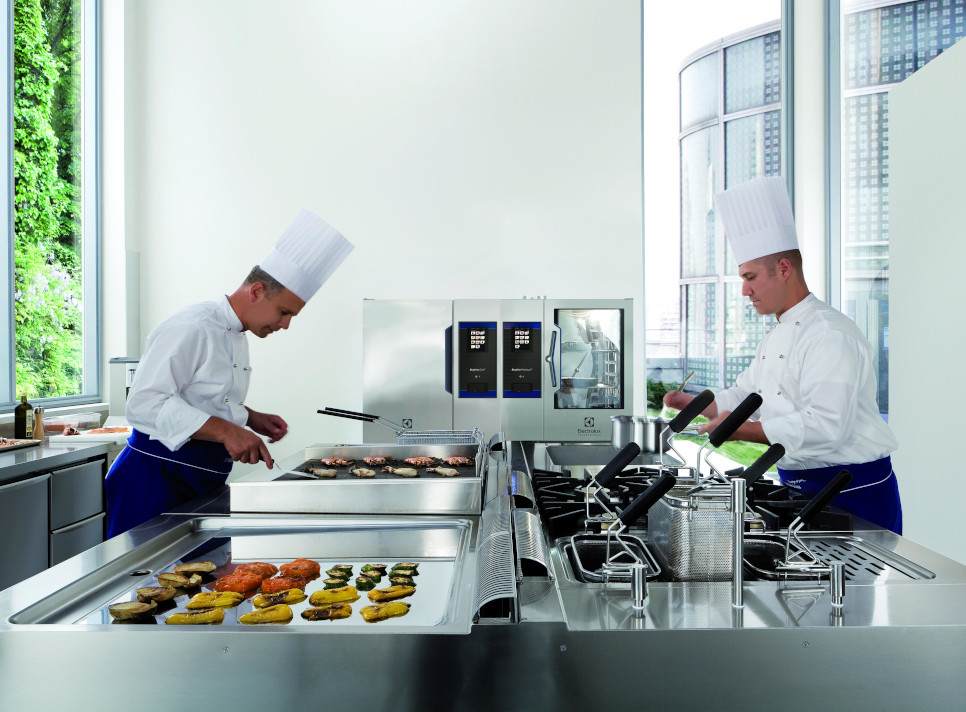
Service speed is rarely a matter of effort alone. It is usually the result of structure. Understanding how to organise a commercial kitchen allows operators to reduce friction, avoid duplication of tasks and protect food safety standards.
Effective kitchen organisation creates clarity: ingredients are where they should be, tools are accessible, and every station operates with defined responsibility. In professional environments, structure directly supports consistency across shifts and teams.
Why kitchen organisation matters
Learning how to organise a professional kitchen is not about visual tidiness. It is about operational logic.
Poor organisation leads to:
- Delays during peak service
- Cross-contamination risks
- Repeated stock movement
- Increased stress across teams
In contrast, structured layouts shorten movement paths, clarify responsibilities and reduce errors. For small and large operations alike, knowing how best to organise a kitchen improves both speed and compliance.
Organisation is also directly linked to HACCP routines. When zones are clearly defined, temperature control and cleaning processes are easier to monitor and document.
Zoning the space for prep, cook and pass
The foundation of how to organise a kitchen lies in zoning.
A commercial kitchen should typically be divided into:
- Preparation zones for raw ingredients
- Cooking zones aligned with equipment blocks
- Assembly or pass areas for plating and dispatch
- Washing and waste zones separated from food handling
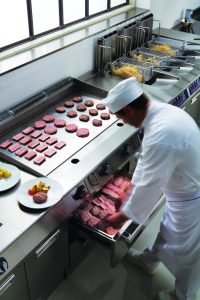
Clear boundaries prevent overlap between raw and cooked products. Flow should move logically from storage to prep, then to cooking and finally to service.
When considering how to organise a commercial kitchen, minimise unnecessary cross-traffic. Staff should not need to walk through cooking areas to reach refrigeration or dry storage. Logical sequencing reduces congestion and protects workflow during peak periods.
Storage, labelling and FIFO in practice
Structured storage is central to kitchen organisation.
Effective systems include:
- Dedicated shelving by product category
- Transparent containers for visibility
- Clear date labels
- FIFO (first in, first out) rotation rules
Cold storage should be arranged according to food safety hierarchy, with raw proteins separated from ready-to-eat items.
Dry storage must prioritise accessibility and airflow. Overstocking shelves reduces visibility and increases waste risk.
Operators who understand how best to organise a kitchen treat storage as a control point rather than a secondary consideration. Labelling consistency across shifts prevents confusion and supports audit readiness.
Mise en place and batch prep standards
Organisation during service begins with disciplined preparation.
Mise en place should follow structured principles:
- Pre-measured ingredients for peak hours
- Clearly defined container sizes
- Designated prep surfaces by food type
- Batch preparation aligned with forecast demand
Batch prep must balance efficiency with freshness. Overproduction increases waste, while under-preparation slows service.
For teams asking how to organise a professional kitchen, standardised prep quantities and container formats ensure consistency across operators.
Cleaning routines and audit trails
Cleaning is not separate from organisation; it reinforces it.
Structured routines should define:
- Daily deep-clean zones
- Equipment-specific sanitation steps
- Waste disposal timing
- Surface disinfection intervals
Documented cleaning logs support HACCP compliance and provide traceability during inspections.
An organised kitchen ensures that cleaning tools are stored separately from food handling areas and are easily accessible when required.
Consistency in cleaning schedules protects both equipment longevity and food safety standards.
Tools, smallwares and cart systems
Small tools often create disproportionate disruption when misplaced.
An effective organisation includes:
- Wall-mounted storage for frequently used utensils
- Colour-coded tools for allergen management
- Mobile carts for station-specific equipment
- Standardised knife and smallware layouts
Keeping tools within arm’s reach reduces unnecessary movement and service interruptions.
When evaluating how to organise a commercial kitchen, smallwares management is often the fastest area to improve.
Team training and accountability
Even the most carefully designed layout fails without team alignment.
Training should define:
- Station ownership
- End-of-shift reset responsibilities
- Storage verification checks
- FIFO enforcement
Clear accountability ensures that organisational standards are maintained beyond initial setup.
Embedding kitchen organisation into onboarding and performance reviews reinforces consistency over time.
Checklist
To strengthen kitchen organisation, review the following:
- Clear zoning between prep, cook, pass and wash
- Logical ingredient flow from storage to service
- Standardised labelling and FIFO rotation
- Defined mise en place quantities
- Documented cleaning routines
- Accessible, organised smallwares
- Assigned station responsibility
Understanding how to organise a kitchen in a professional environment means designing for efficiency, safety and repeatability. Explore Electrolux Professional commercial kitchen solutions designed to support structured workflows and efficient commercial kitchen environments.
FAQs
How do you organise a commercial kitchen efficiently?
Start by defining clear zones, structuring storage systems and standardising preparation processes to support workflow and compliance.
What is the difference between organising a home kitchen and a professional kitchen?
Professional kitchens require defined zones, HACCP-compliant storage, documented cleaning procedures and strict workflow logic.
Why is kitchen organisation important for food safety?
Clear zoning, labelling and structured cleaning routines reduce contamination risk and support audit documentation.