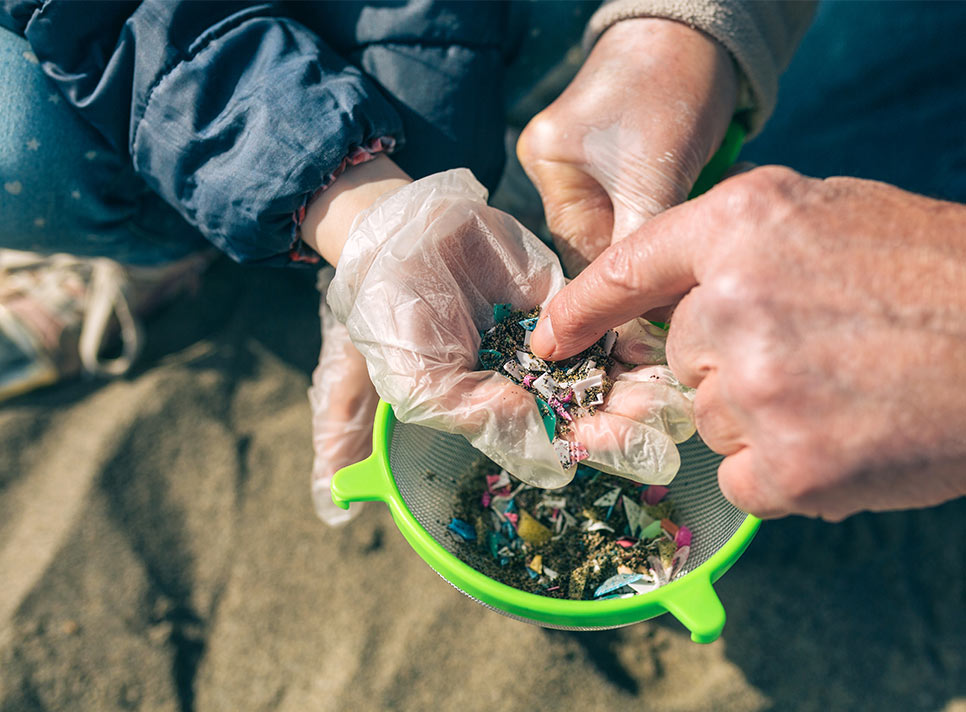
Microplastics (plastic fragments smaller than 5 mm) have become one of today’s most pervasive environmental threats. Found in oceans, rivers, soil, food, drinking water, and even the air we breathe, they are impossible to ignore. As awareness grows, so does the need for meaningful action across industries, governments, and everyday behaviors.
What are microplastics and why do they matter?
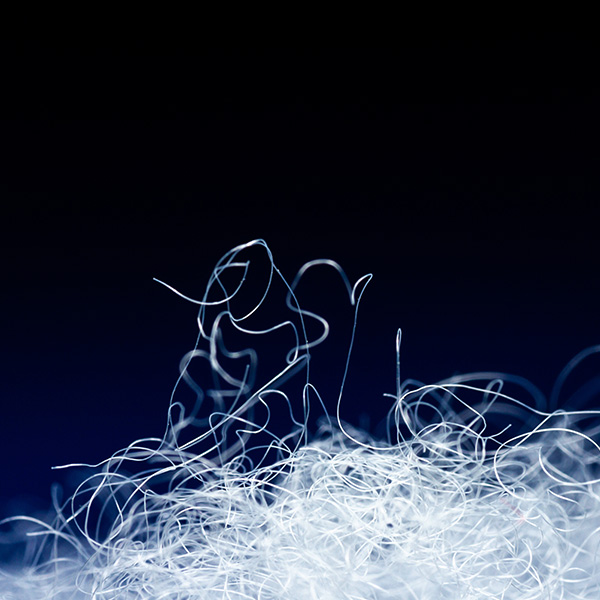
Moreover, microplastics can be ingested, inhaled, or even absorbed through the skin, raising concerns over chronic exposure and its still uncertain long term health impacts. Studies suggest potential links to inflammation, reproductive issues, and metabolic disorders, though more research is needed to fully understand the risks.
A growing environmental and public health issue
Microplastics are not just an environmental issue, they intersect directly with food safety and human health. They contaminate food chains through polluted water, soil, and even production sites. Fish and shellfish ingest them, crops absorb them from contaminated soil or irrigation, and microplastics have been detected in meat, milk, and other food products. Their persistence and ability to carry toxins—including heavy metals and chemical additives—make them especially concerning as they move through ecosystems and into our bodies.
At the policy level, solutions are accelerating. Even though global treaties have stalled, local and national governments are beginning to act by proposing bans on intentionally added microplastics such as glitter, cosmetic additives, and synthetic turf infills. These efforts signal a broader shift toward regulatory pressure that industries must anticipate.
Why laundry plays a critical role
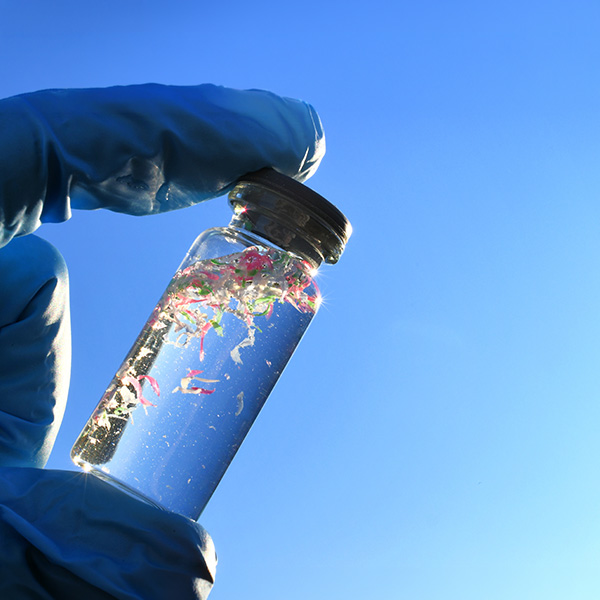
What can we do to reduce microplastics?
While eliminating microplastics entirely is not yet possible, several practical steps can drastically reduce their release:
- Choose natural fibers when possible
Opting for cotton, wool, or other natural textiles reduces microfiber shedding at its source. - Wash more sustainably
Lower temperatures, shorter cycles, and full loads reduce friction between garments, limiting microfiber release. - Integrate filtration solutions
This is where meaningful change happens at scale. Advanced filtration systems capture microplastics before they enter waterways, making them essential for both household and professional laundry settings. - Support circular systems
Reducing single-use plastics, improving recycling habits, and supporting sustainable brands all contribute to decreasing plastic pollution overall.
Driving change through innovation: Electrolux Professional & Mimbly
At Electrolux Professional Group, sustainability goes beyond compliance—it guides how we innovate. Our partnership with Mimbly, a Swedish cleantech startup, reflects this commitment. Mimbly’s Mimbox technology is a plug‑in solution that reduces water consumption, filters microplastics as small as 50 microns, and reuses water to lower energy consumption. Together, we are co‑developing next‑generation filtration solutions that help customers meet increasing regulatory demands while reducing environmental impact.
This partnership reinforces our position as a sustainability leader and aligns with our broader achievements, from our EcoVadis Gold rating to global recognition for sustainable growth. By working alongside innovative companies like Mimbly, we are shaping a future where professional laundry is not only efficient but actively contributes to cleaner ecosystems.